The VOICE of UPMC Shadyside 2025

Transforming Patient Care

Research: Unlocking the Care of Tomorrow

In 1993, Shadyside Hospital Foundation allocated $50,000 to create a Competitive Research Fund at the Foundation. Its purpose was to inspire and support small-scale, hospital-based research projects leading to improved patient care and efficiency.

Thomas H. Nimick, Jr., the Foundation’s longtime treasurer, was the “father” of the fund. A member of a family with generations of devotion to Shadyside, he became a trustee of the hospital in 1948 and served as a leader until his death in 2007, when the fund was named for him.

Grantees have been able to design, implement, and assess projects to help improve patient safety and to share their work with others at national meetings.

“The Foundation’s support has helped Dr. Jacobs develop a program that is, frankly, unprecedented.”
- Joel Nelson, MD, Executive Vice President, President UPMC International Chief Clinical Officer

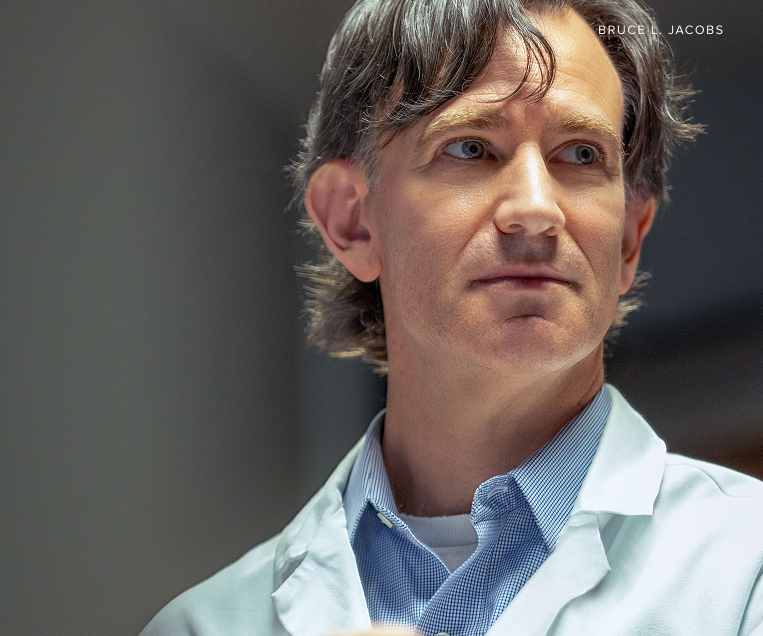
Bruce L. Jacobs, MD, MPH

The Foundation often fills a unique niche in helping valuable medical research take
 off and grow. One example is the health services research of Bruce L. Jacobs, MD, MPH, a UPMC Shadyside urologist.

“Bruce’s work is something I think the Shadyside community should be really very proud of,” states Joel Nelson, MD, chairman of the Department of Urology at Pitt and a Foundation director. “The Foundation’s support has helped him develop a program that is, frankly, unprecedented.”

“Our goal is trying to reduce the use of opioids so that we can reduce the addiction to them — but do it in a way where we have alternatives so that people aren’t in pain,” Bruce says. “Our study of nearly 700 patients over one and a half years showed that
 those discharged after prostate surgery with and without opioids did not differ in their perception of post-operative pain manage-ment, activity levels, psychiatric symptoms, or somatic symptoms. And, when we made surgeons aware of our goals and findings, the use of opioids for these prostatectomy patients dramatically decreased.”

This study was reported in the prestigious journal Cancer on January 15, 2021.

Bruce Jacobs’ research introduces medical students, residents, and fellows to an innovative research area that can have enormous benefit for patients.

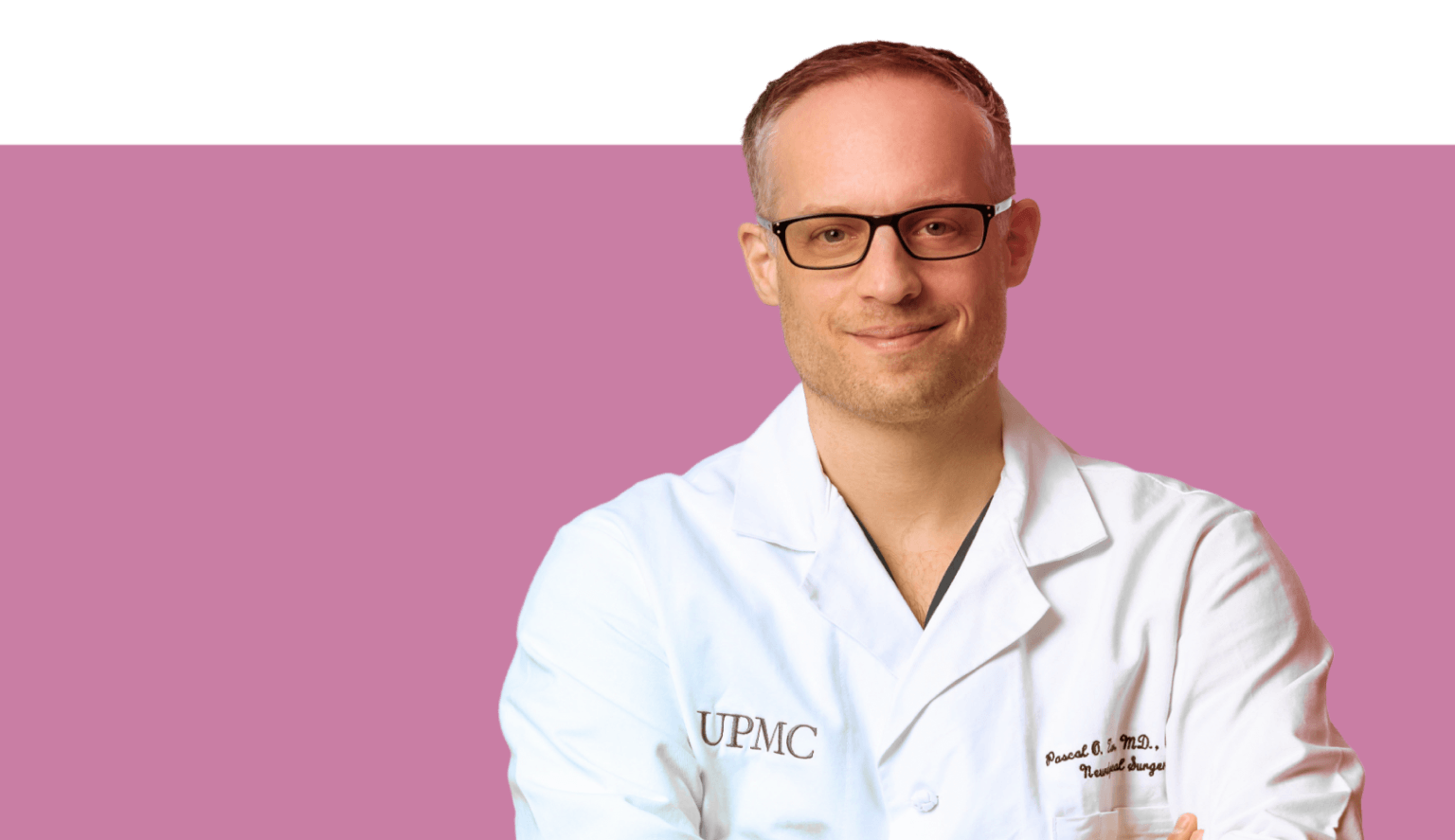
Pascal O. Zinn, MD, PHD

Pascal O. Zinn, MD, PHD

Shadyside Hospital Foundation also funds larger research projects that are making a difference locally and nationally. One example is a two-year, $150,000 gift for a study/patient-less clinical trial to test the ability of the Zika virus to treat brain cancer, specifically glioblastomas, the most common type of malignant brain tumors among adults.

The lab of neurosurgeon Pascal O. Zinn, MD, PhD, used a patient’s own cells to create organoids, or “mini brains in Petri dishes.” The researchers then tested the ability of the Zika virus to act as a therapeutic agent by targeting glioblastoma without harming normal cells — and ultimately improving treatment of a very aggressive cancer.

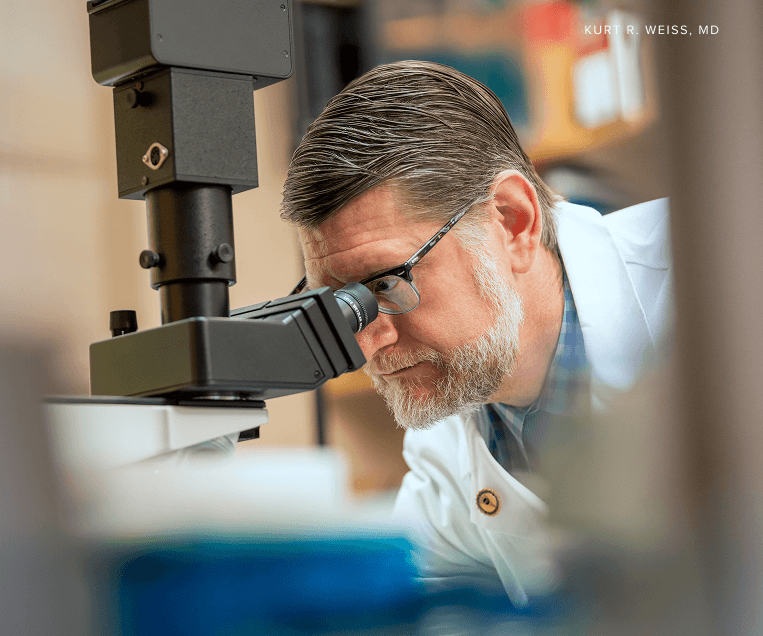
Kurt R. Weiss, MD
With the hope of rendering immunotherapy treatment options more effective, orthopaedic surgeon Kurt R. Weiss, MD, and his colleagues received funding for a research study to help better understand the immune micro environment of osteosarcoma pulmonary metastases and chondrosarcoma pulmonary metastases.

“Ripples and Waves of the Foundation’s Investment”

Shadyside Hospital Foundation and the UPMC Shadyside Family Health Center can look back on a nearly 50-year partnership to improve the health of generations of patients, many of whom have no other access to affordable health care. The Family Health Center is also a model of teaching, where residents develop their skills to become specialists in family medicine — in Pittsburgh and all over the world.

Bruce Block, MD, began a history-making association with the Family Health Center and the Family Medicine Residency in the 1970s. This family doctor believed that outstanding health care depends on physicians having complete, up-to-date information about each patient. So with his little Commodore computer, he created an electronic patient record system for primary care.

“Over the years, that data enabled us to see where there were problems in patterns of care and to develop solutions in a scientific way,” Dr. Block recalls.

“When we identified serious problems, Shadyside Hospital Foundation helped us get funding to work on correcting them,” says Dr. Block. “There are ripples and waves of the Foundation’s investment in all the work we’ve done.”

Among the Foundation’s gifts are the innovative universal depression screening and follow-up program, support groups, books for children, transportation vouchers enabling patients to get to their appointments, and outreach to underserved communities. With “Healthy Hearts and Souls,” for instance, Dr. Block brought diabetes care and education, smoking cessation, nutrition, and exercise programs into Black churches. These strategies enabled him to give people timely feedback about their own health behaviors, drive self-care changes, and track results.

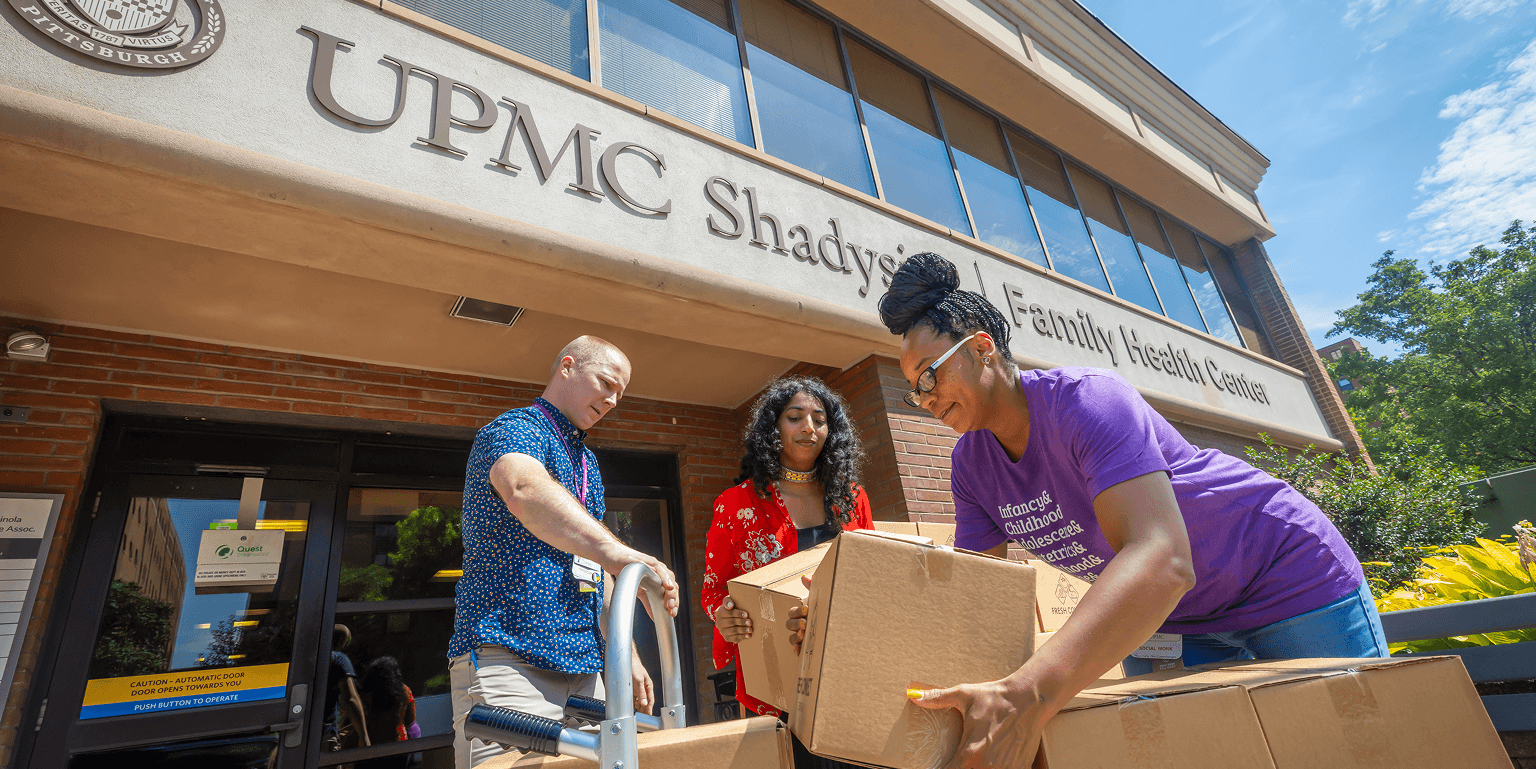
Combating food insecurity Food insecurity rates in the neighborhoods served by the Family Health Center are significant. Seeking to address this need, the health center launched food insecurity screening as part of medical appointments in 2020. Recently, these screenings identified 40 percent of the center’s patients as positive for food insecurity. To provide food to those in need, the Family Health Center partners with the Greater Pittsburgh Community Food Bank. A grant from Shadyside Hospital Foundation supports this effort by funding an AmeriCorps member to assist the screening process, coordinate delivery of food boxes, and directly care for patients who are still in need of sustainable food resources.  

When Dr. Block realized that many family medicine residents had little or no understanding of their patients’ day-to-day lives and challenges, he built a clinical rotation where every resident would visit five agencies in the community and learn about truly comprehensive care. Faculty at the residency built on this idea, adding a Global Health Rotation where residents now travel to Honduras to care for people in a remote mountain village clinic.

To honor their longtime partnership with Shadyside Hospital Foundation, Dr. Block and his wife, Dr. Marian Block, created a fund at the Foundation in 2023 to support ongoing innovation in family medicine.

The Family Health Center thrives today under the leadership of Mark Meyer, MD, chief of the Division of Family and Community Medicine and a director of the Foundation, and so does the Foundation’s continuing support. For example, as the opioid epidemic worsened locally and nationally in the 2010s, Alan Finkelstein, MD, Family Health Center physician and teacher, and his like-minded colleagues decided that the Family Health Center “should be the place on the Shadyside campus where people could seek addiction care.”

With Foundation funding and assistance with a grant from the Staunton Farms Foundation, the Substance Use Recovery Clinic opened at the Family Health Center in 2019.

“Teaching Family Medicine residents how to diagnose and treat substance use disorders was a giant opportunity for us to improve primary care,” explains Scott Brown, DO, part of the Family Health Center team.

“We are grateful that Shadyside Hospital Foundation was so forward-thinking in helping us launch this,” says Dr. Brown. “We could not have done it alone.”

The Comfort of a Good Breakfast

What a blessing to have a wonderful breakfast when we have so many other things to worry about,” said a guest at Family House, a convenient and affordable “home away from home” offering lodging and programmatic support and activities for patients and their family members who must leave their homes and travel to Pittsburgh for medical care. Ongoing gifts from Shadyside Hospital Foundation allow Family House to provide a healthy breakfast to approximately 200 guests seven days a week. “Staying at Family House was like coming home each day,” said a guest. “I was comfortable, relaxed, and had everything I needed. I wouldn’t change a thing.”

Music to Our Ears

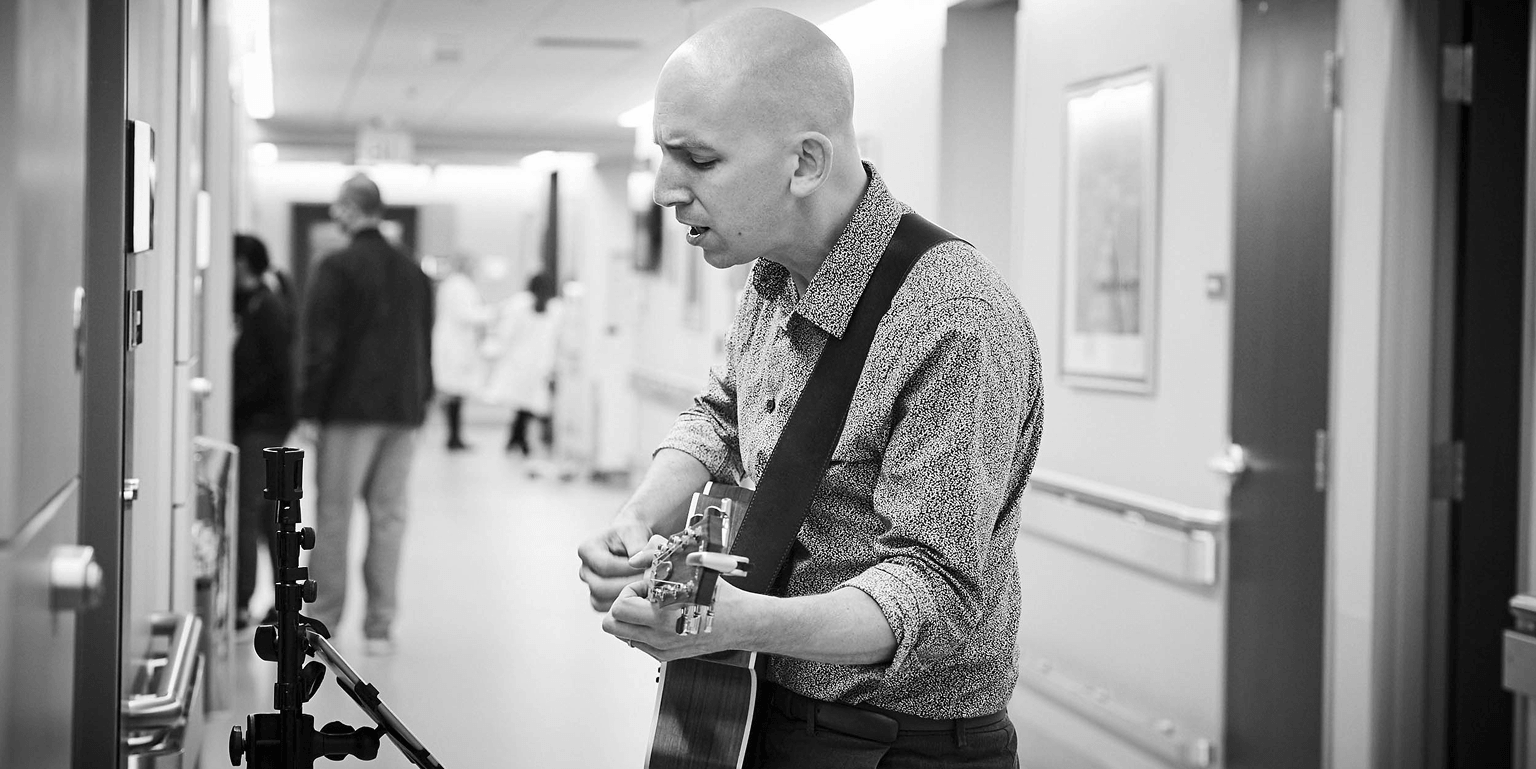
Music can heal the wounds that medicine cannot touch,” writes American physician and philosopher Debasish Mridha. Prior to COVID-19, Shadyside Hospital Foundation funded “Music Heals the Soul,” a project of the Volunteer and Community Service Department that provided monthly music therapy for patients at UPMC Shadyside. Live performances by local professional musicians were organized through the “Music Smiles” program of the

Sonny Pugar Memorial, named for the noted Pittsburgh area drummer who died of cancer in 2004.
The “troubadour” singing outside a patient’s room (to avoid the chances of infection) was Pittsburgh guitarist and vocalist James Graff.

Where International Patients Find Care

The death of a young Japanese husband and father “devastated” Hajime Kojima, MD, then a resident at the UPMC Shadyside Family Health Center. His patient was a diabetic who had not seen a physician in more than a year. “Perhaps language difficulties and a feeling of cultural isolation kept him from receiving medical care in the U.S.,” said Dr. Kojima. “I resolved then and there to reach out to Pittsburgh’s growing Japanese community, to connect them with health information as well as care.”

Thanks to Shadyside Hospital Foundation, Dr. Kojima’s promise has grown into the thriving Japanese Community Outreach program at the Family Health Center. Appointments with Japanese-speaking physicians, education, and community
 meetings and lectures increase practical knowledge and reduce the stress of living in an unfamiliar place and culture. For the many Japanese families who work and study in Pittsburgh, it provides many opportunities to strengthen their community ties. And it makes Shadyside the go-to hospital for most of the Japanese community.

In recent years, the Foundation has supported Teiichi Takedai, MD, as he has expanded the program to serve others whose primary language is not English. To reduce the overwhelming language and cultural barriers to health care for international patients, the Family Health Center has installed technology to make appointment scheduling easier and has set aside special times for visits by non-English-speaking patients so that a translator can be present.