The VOICE of UPMC Shadyside 2025

Cultivating Innovation

“Something that is never in short supply here at Shadyside is innovation. We have a multitude of ideas and initiatives from some of the most brilliant and talented people working in health care to improve the experience of those we serve.”
- Sandra Rader, president, UPMC Shadyside

A force for change

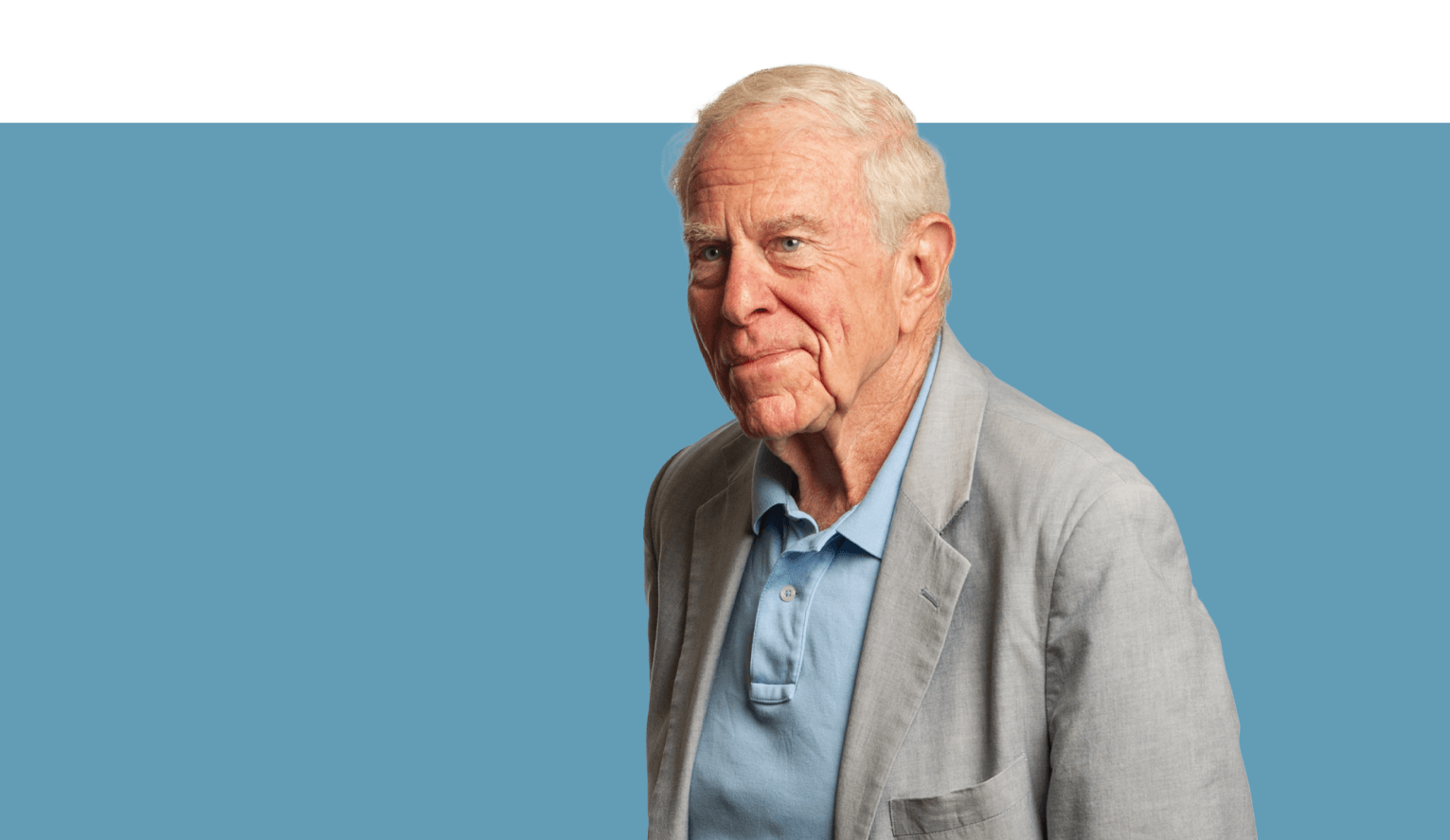
Shadyside Hospital Foundation was 26 years old when Mark Laskow, a lawyer and investor, was elected chair in 2001. While he had no wish to shake up what was working, he hoped to see the Foundation become increasingly proactive.

“I thought we could work on being a force for change,” Mark remembers. “We decided that we would put an emphasis on support for quality improvement. That was good, because it not only gave us a focus for grant making but also catalyzed our projects around patient satisfaction, quality, patient experience, and research. It allowed us to become leaders throughout UPMC.”

Starting in 2006, the Foundation began to embed quality improvement throughout the hospital by providing salary support for two Innovation Improvement Specialists, professionals trained to “engineer change.” The Foundation also supports initiatives of the Shadyside Institute for Quality & Innovation.

The goal, Mark says, is to “stimulate intelligent interaction among caregivers to bring out the best of all their ideas, and to test those ideas in real life. From year to year, from decade to decade, patients’ needs and those improvement ideas can change. But the Foundation will be able to continue to support the best ideas going forward.”

The Innovation Improvement Specialists have contributed to more successful patient outcomes, enhanced patient safety, increased vitality, and “Reimagining the UPMC Experience” as projects spread from Shadyside to other hospitals.
One example was published in the journal Global Business and Organizational Excellence, recounting how a UPMC Shadyside nursing unit director and staff partnered with an Innovation Improvement Specialist to create a model that empowered nurses and transformed the unit’s culture in the process.

The results included increases in 10 of 10 measures of patient satisfaction as well as higher morale among nurses and their increased interest in leading additional improvement projects.
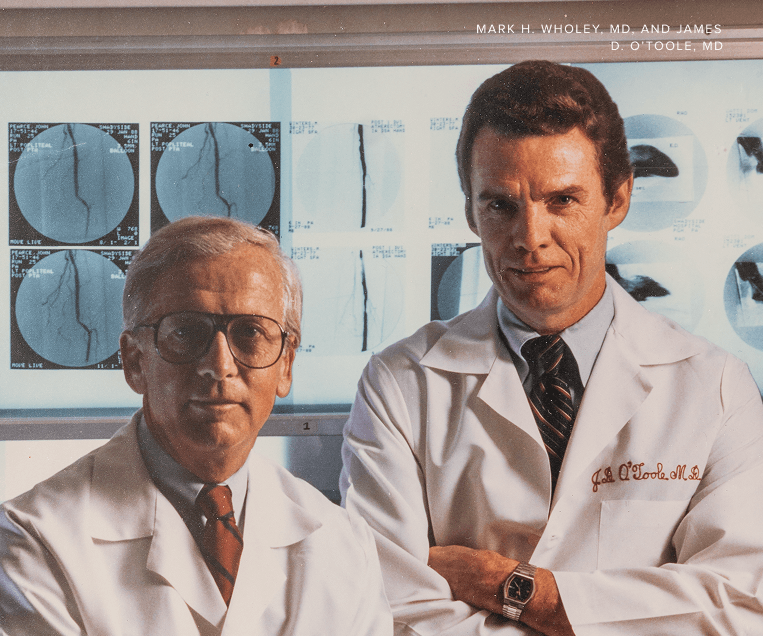
When the dynamic and ambitious James D. O’Toole, MD, became Shadyside’s first full-time chief of cardiology in 1978, he envisioned Shadyside at the forefront of heart care. He and pioneering radiologist Mark H. Wholey, MD, advanced interventional cardiology, delaying or eliminating the need for heart bypass surgery and opening blocked arteries without opening the chest. By 1991, more coronary angioplasties would be performed at Shadyside than at any other hospital in western Pennsylvania.

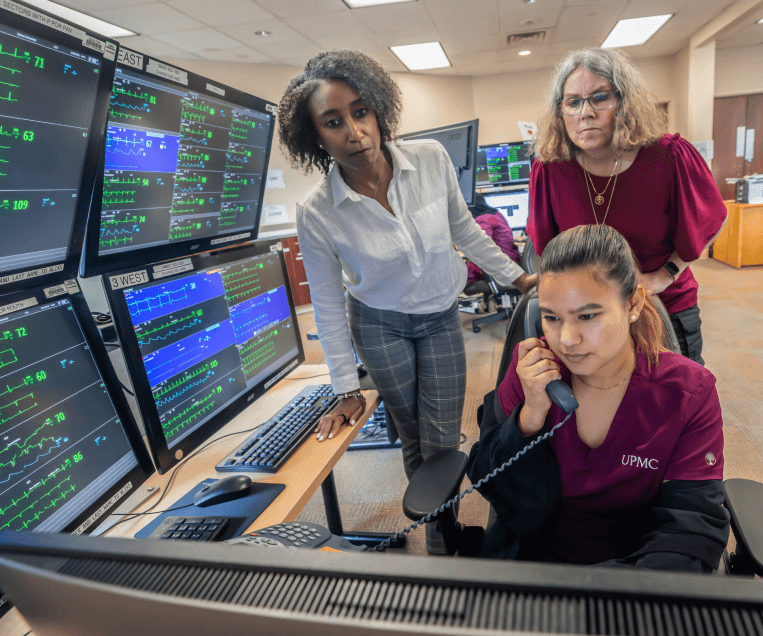
The Foundation backed innovations like these by raising funds for the non-invasive peripheral vascular laboratory, a neurovascular radiology facility, upgrading of monitoring instrumentation in progressive coronary care units, and the Richard McLeod Hillman Non-Invasive Cardiac Lab.

Lawrence N. Adler, MD

“People used to have to retire after having a heart attack. I thought we could change that. We demonstrated in the early 1970s that properly supervised, vigorous exercise was key to giving heart patients a second chance for
 an active life.”
- Lawrence N. Adler, MD

The Gift of a Second Chance

The people exercising in UPMC Shadyside’s Cardiopulmonary Rehabilitation and Wellness Center owe this moment in their lives to the groundbreaking Lawrence N. Adler, MD, who became one of the first and most vocal cardiologists in the United States to promote exercise — not bed rest — after a heart attack.

“People used to have to retire after having a heart attack,” says Dr. Adler. “I thought we could change that. We demonstrated in the early 1970s that properly supervised, vigorous exercise was key to giving heart patients a second chance for an active life.”

That knowledge became the basis of Dr. Adler’s proudest accomplishment — the cardiac rehab program at UPMC Shadyside. In 2011, thanks to contributions to Shadyside Hospital Foundation from his friends and grateful patients like Hans and Leslie Fleischner, the Hearst Foundation, the Nimick Forbesway Foundation, and from Dr. Adler himself (who is a director of the Foundation), the facility was upgraded and renamed the Lawrence N. Adler, MD, Cardiopulmonary Rehabilitation and Wellness Center.

Continuing Advances in Diabetes Care

Thaddeus S. Danowski, MD, was an inter-nationally known trailblazer in the treatment of diabetes. When he created an Endocrine Fellowship training program at Shadyside, his first fellow was Vijay Bahl, MD, who continues to practice at Shadyside and who serves on the Shadyside Hospital Foundation board.

Today, the Thaddeus S. Danowski, MD, Endocrinology Fellowship Fund at the Foundation supports one of the country’s top endocrinology fellowship programs — with 300 applicants for every two or three openings.

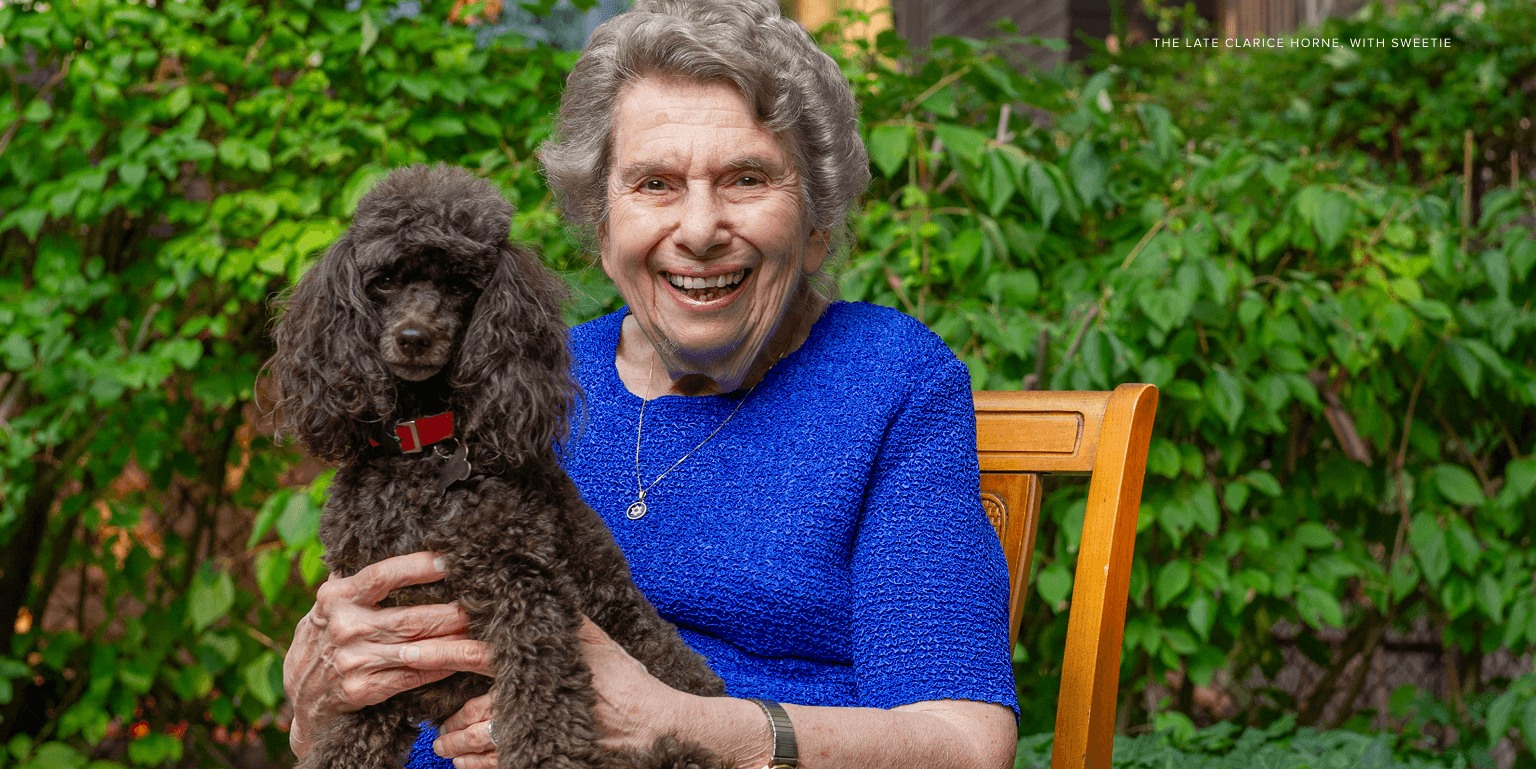
Another generous endowment for research in endocrinology came from Clarice Horne in memory of her husband, endocrinologist Lloyd M. Horne, MD. Although she worked full-time managing his office, Clarice volunteered religiously for 50 years at Shadyside, visiting and chatting with patients 
 who needed to see a friendly face. A Foundation director, she served patients almost until she died in 2018 at age 92.

Fred Rubin, MD

“I believed it was important to help all physicians understand that older patients are not simply older middle-agers
 any more than children are just small adults.”
- Fred Rubin, MD

Creating the Best Experience for Older Patients

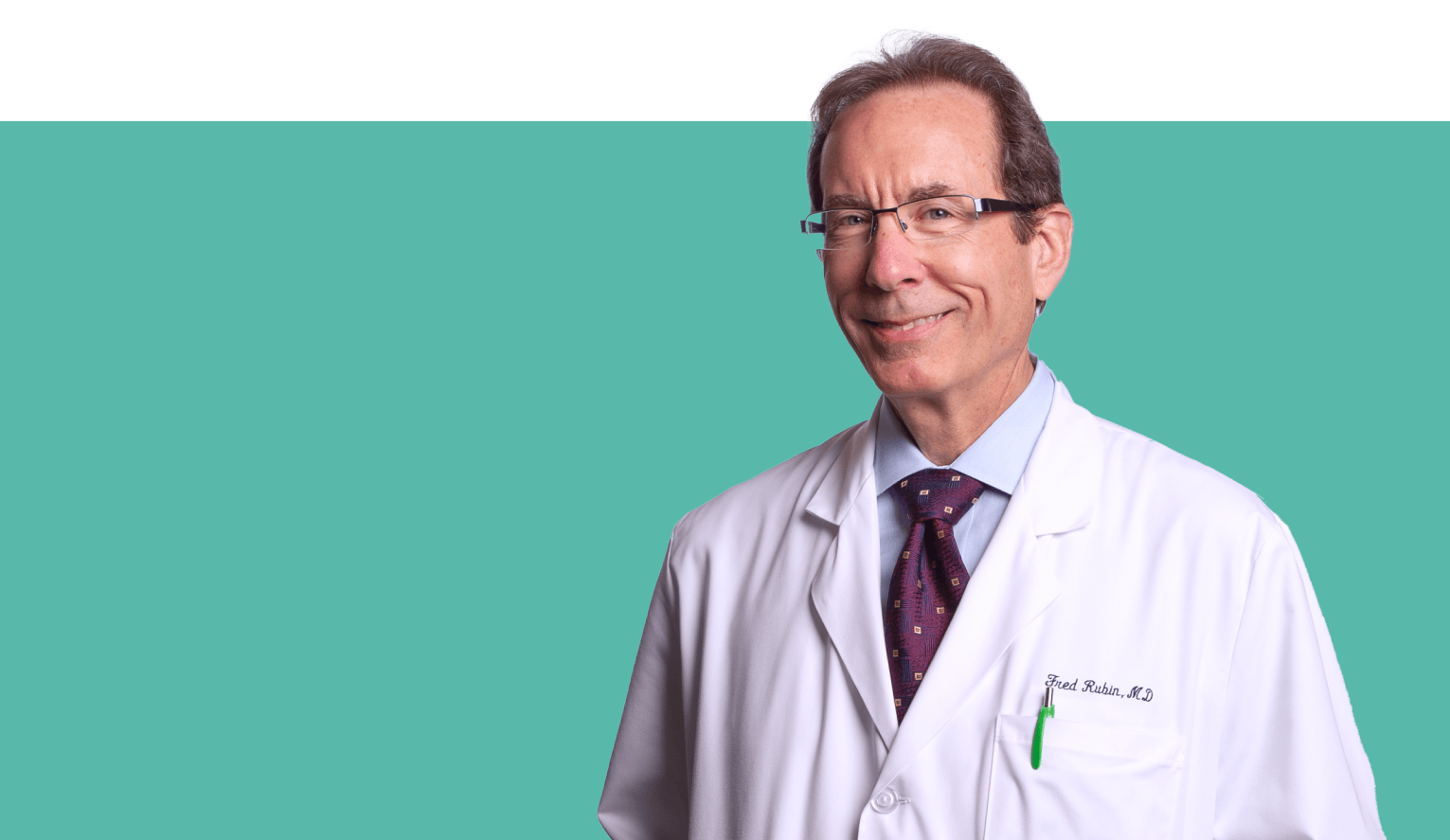
In a professional life devoted to advancing the specialty of geriatrics, Fred Rubin, MD, has made Shadyside Hospital an internationally recognized center for geriatric medicine. “The reality is that over half of Shadyside’s patients are elderly,” Dr. Rubin points out.

One of the first board-certified geriatricians in the country, Dr. Rubin started the acclaimed Senior Care Institute. He co-founded the Pennsylvania Geriatrics Society and served four terms as its president. He served as Shadyside’s chair of Medicine for three decades, from 1992 to 2022. He created the annual Cooper Lecture, bringing in nationally recognized experts in medical ethics and patient-centered care.

Perhaps Dr. Rubin’s most-recognized patient care innovation at Shadyside is HELP — the Hospital Elder Life Program. Started with support from Shadyside Hospital Foundation in 2002, HELP began with the recognition that hospital stays can harm people over age 70. They are more at risk for falls as well as for delirium caused by medications, an unfamiliar environment, and loneliness for friends and family. HELP aims to keep these harms at bay.

HELP is a low-tech but high-touch intervention. Evidence shows that simply engaging patients in conversation can keep them safer. So HELP deploys volunteers — often college students — to visit and spend time with older patients every day. A study found that HELP’s simple human touch reduced the delirium rate from 41 percent to 19 percent.

The benefits go both ways. Volunteers — often pre-med students — enjoy engaging with and learning about older people.
Today, Shadyside offers the largest and best-known individual HELP program in the world. “Visitors from Australia, Japan, France, Germany, the Netherlands, the United Kingdom, and Singapore have come to study what we do,” Dr. Rubin says with justifiable pride. “We’ve had a number of articles in peer-review journals about it.

“And we are grateful to the donors to Shadyside Hospital Foundation who make patient-centered programs like this possible,” states Dr. Rubin, a director of the Foundation.